Shutter Speed
Shutter Speed
Shutter Speed is simply the length of time your camera’s sensor is exposed to light. Most of the time this is a fraction of a second.
You’ll usually see shutter speeds written as 1/50, 1/100, 1/200, 1/1000, and so on. When the speeds get really slow, the numbers look like 1", 2", 3.2", 4", 10", 30" — the double quote mark means seconds (just like in geography or map coordinates).
On your camera screen, the display often drops the “1/” part to save space. So:
• 10 = one‑tenth of a second
• 10" = ten whole seconds
It’s an important difference, and worth getting used to.
Try it yourself
Pick up your camera and set the mode dial to Tv (or S on some brands). This mode lets you choose the Shutter Speed, while the camera works out the aperture automatically.
Now experiment a bit:
• What’s the fastest speed your camera can set? Maybe 1/4000?
• What’s the slowest? Often 30 seconds.
• Listen to the difference: What does 1/4000 sound like? What about 1 second?
If you have a DSLR, you may hear several clicks. If you have a mirrorless camera, fewer.
A quick side note:
A DSLR has a mirror at 45 degrees that reflects light into your viewfinder.
A mirrorless camera doesn’t need this mirror and uses an electronic viewfinder instead.
So what are all these clicks?
- The mirror flips up out of the way (DSLR only).
- The shutter curtains open to expose the sensor.
- When time’s up, they close again.
- On a DSLR, the mirror drops back into place.
All of this happens in a fraction of a second — it’s quite remarkable when you think about it!
Using Shutter Speed creatively
Shutter Speed isn’t just a technical setting — it’s a creative one too.
• Fast shutter speeds freeze motion.
• Slow shutter speeds make movement look blurred or flowing.
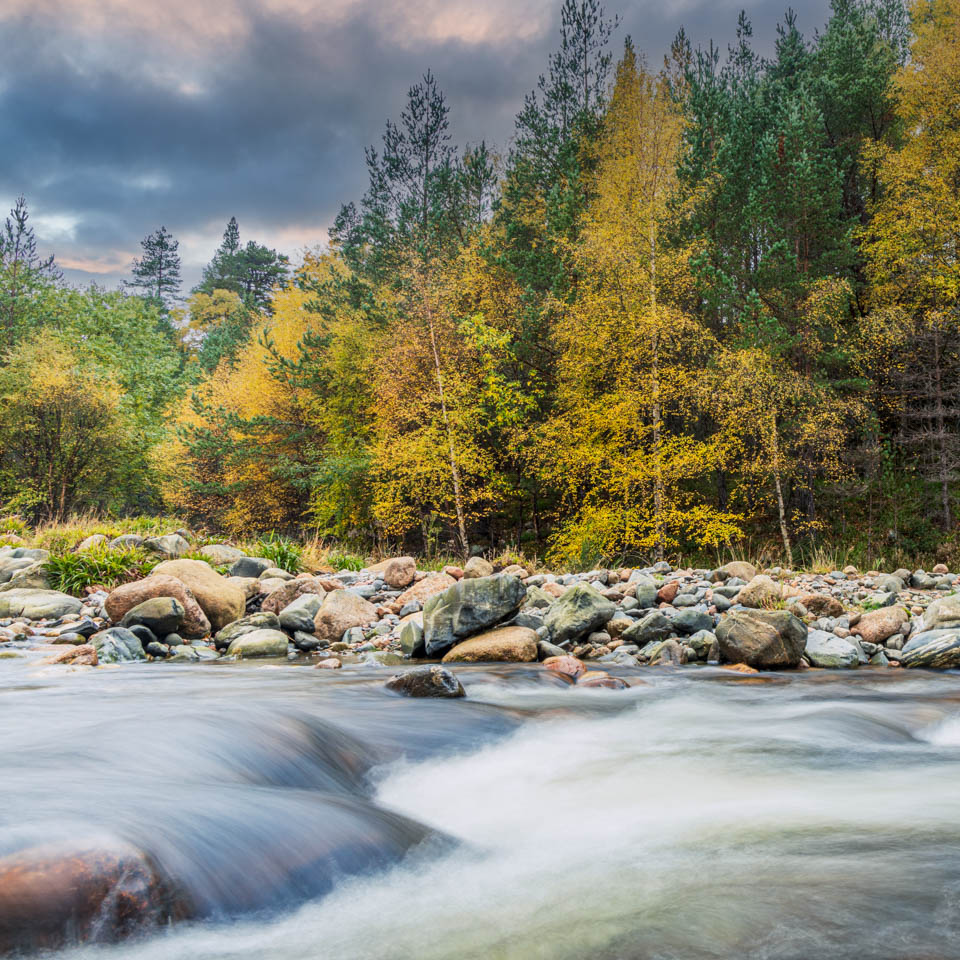
Most blurry night‑time photos on Twitbook happen because the camera, in Auto mode, slows the shutter too much in the dark. Hand‑holding a camera at anything slower than about 1/50 of a second is tricky, although it depends on the situation and your steadiness.
So as a general guide, try to keep your shutter speed above 1/50 when hand‑holding.
But creativity often calls for slower speeds. A deliberately slow shutter lets you capture:
• silky smooth waterfalls
• car lights streaking through a night scene
• spinning wheels
• dramatic motion blur
For these shots you’ll need a tripod, or at least a stable surface, to avoid unwanted wobble.
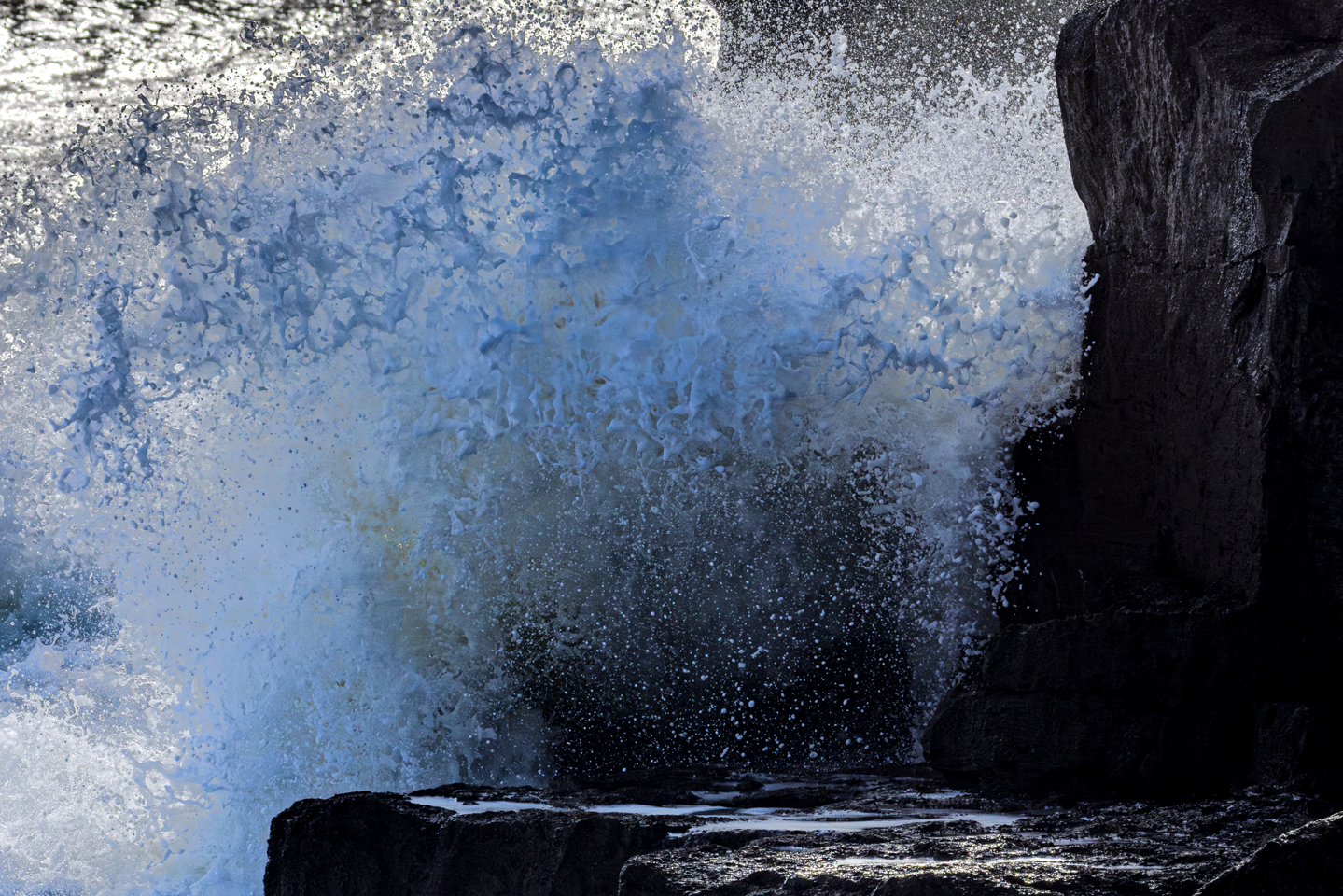
On the other hand, when you want to freeze action — children running, pets jumping, sports of any kind — you’ll want to use faster speeds:
• 1/200–1/1000 is a good range for everyday action
• 1/500 for energetic kids
• 1/1000 or faster for most ball sports
The faster the movement, the faster your shutter needs to be.
An example of panning with slow shutter speed
For this photo of a stork flying past, instead of keeping the camera still, I panned — gently moving the camera to follow the bird as it flew. The result is that the bird appears sharp, while the background shows pleasing motion blur.
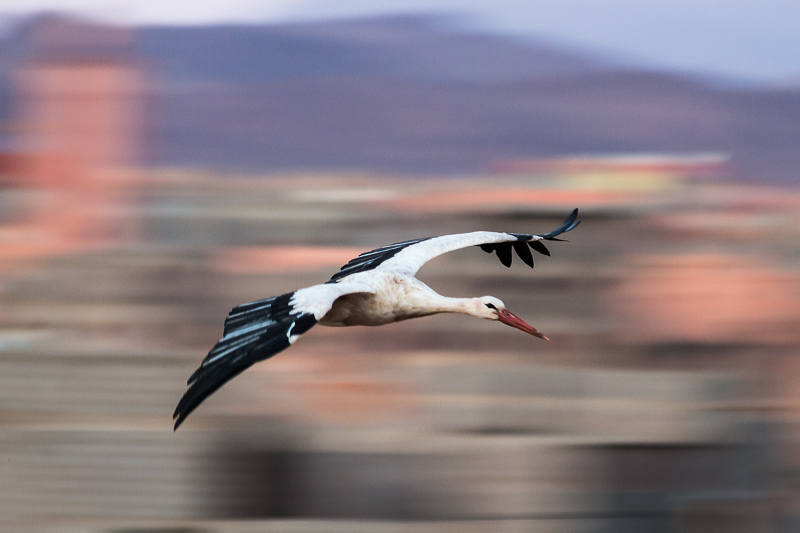 *ISO 400, f/8, 1/30 of a second*