The Other Most Important Thing
If the subject is the heart of a photograph, then light is its lifeblood. Without light, your camera has nothing to record. With too much light, too little, or the wrong kind of light, the subject you’ve so carefully chosen can be lost, flattened or distorted. As photographers, we don’t just point the camera at something interesting — we learn to see light, work with it, and sometimes even shape it. Below is a simple look at why light matters so much, and how it influences every photograph you make.
Light Shapes the Mood
Before you even lift the camera, the light is already telling a story. Soft morning light speaks gently. Overcast days give a flat, muted look. Side‑lighting adds depth and texture. Backlighting creates silhouettes or glows. Harsh overhead light can feel stark, clinical or energetic.
The same subject photographed in different light can look peaceful, powerful, mysterious or unremarkable. Light is your second voice in the photograph — it sets the atmosphere long before composition or camera settings get a chance.
Understanding this emotional quality of light helps you choose not only how to photograph a subject, but when.
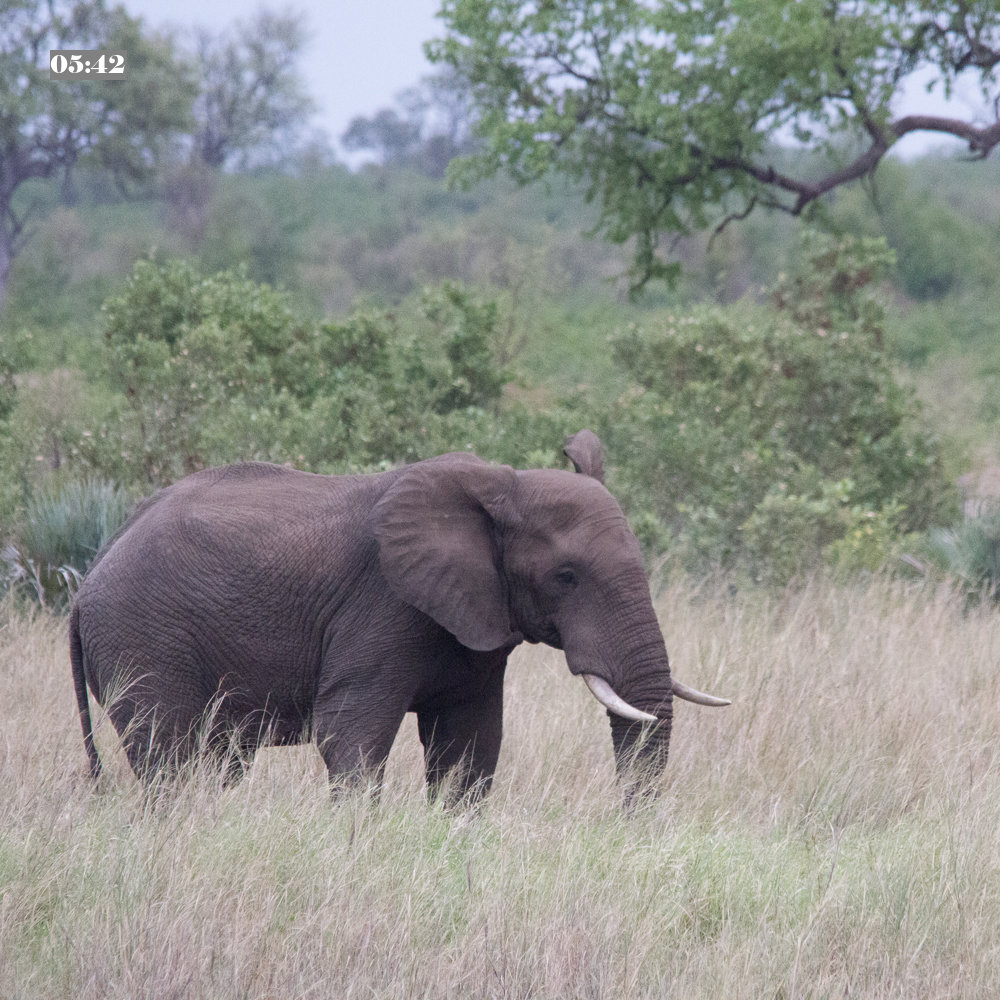
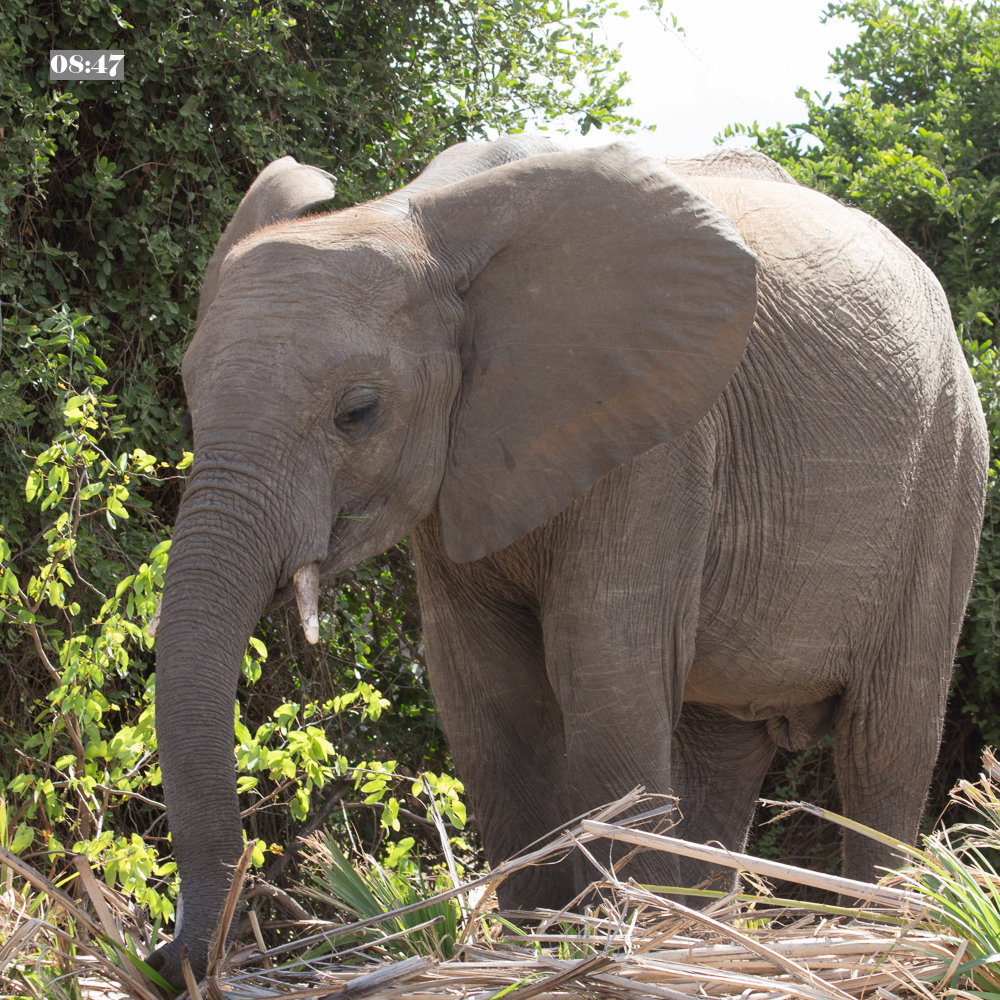
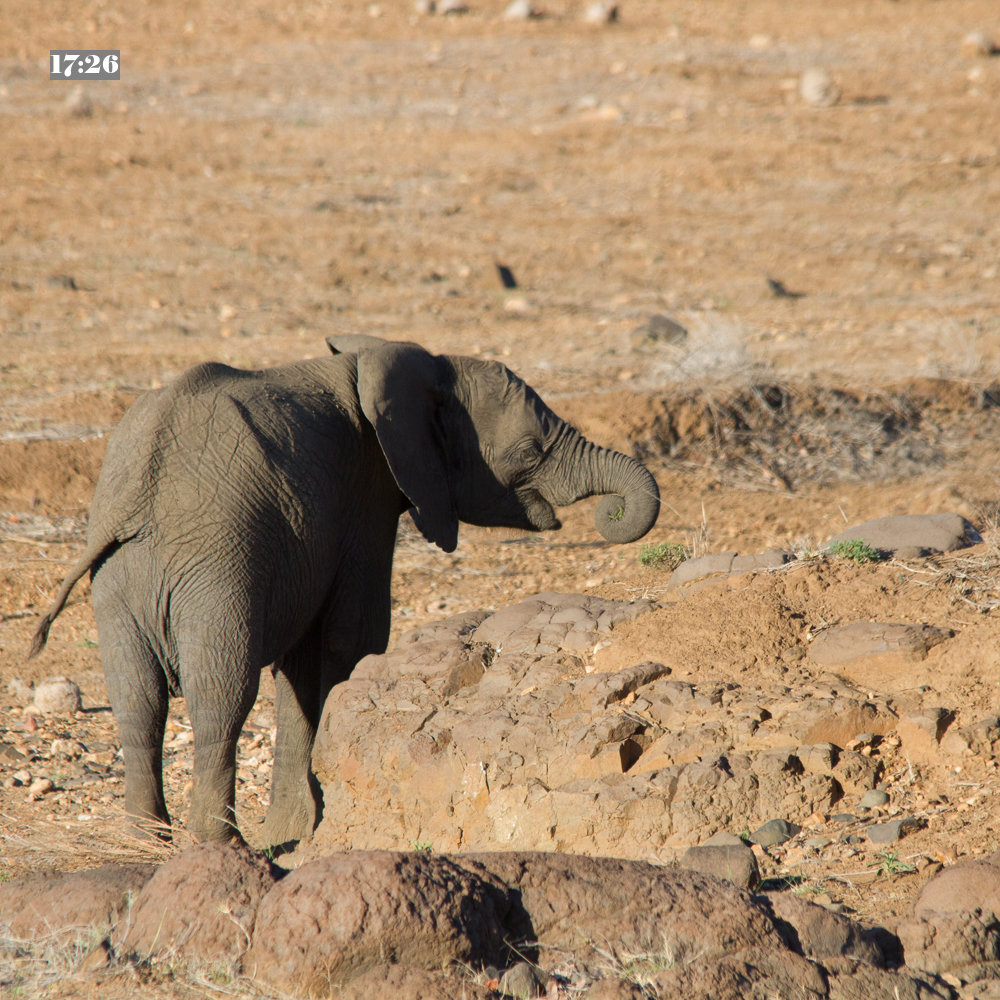
The Quality of Light: Hard vs Soft
Not all light is equal. The quality of light — usually described as soft or hard — dramatically affects the mood and the way your subject appears.
Soft Light
Soft light is gentle, forgiving and subtle. It appears on overcast days, in open shade, or indoors near a large window. Shadows are smooth and gradual. Portraits look flattering; surfaces look smooth; the mood is calm and quiet. Soft light wraps around the subject, describing shape without harsh edges.
Hard Light
Hard light creates strong contrast and sharp shadows. Think of midday sun on a cloudless day, or a bare bulb in a dark room. Highlights are bright, shadows are deep, and textures stand out dramatically. Hard light emphasises form, edges and drama — wonderful when you want punch, structure or boldness.
Neither is “better” — each has its purpose. What matters is choosing the right type for what you want the photograph to say.
Exposure: Balancing the Amount of Light
Exposure is simply how much light you allow to hit the sensor. You control it with three tools:
- Aperture – the size of the opening in the lens.
- Shutter speed – how long the sensor is exposed.
- ISO – the sensor’s sensitivity to light.
Change any one of these, and the brightness of the final image changes. But it’s not only about brightness: each control changes the look of the image too. Aperture shapes depth of field, shutter speed controls motion, ISO introduces or reduces noise.
But at the centre of it all is the same requirement: choosing just the right amount of light to reach the sensor so the image becomes the one you intended.
Learn to read the light, and it will guide everything else you do with a camera.