The Most Important Thing
The Most Important Thing
When you think about photography, it’s natural to assume the most important thing is the camera.
But it isn’t. Not by a long shot.
Is it the photographer?
The background?
The lighting?
All important, of course — but none of them are the most important thing.
The true heart of any photograph is the subject.
If an image doesn’t offer the viewer something clear to look at — something to connect with, feel curious about, or be moved by — then the photo has no anchor. It doesn’t stay with anyone. And the best photographs are the ones that linger in the mind long after the shutter has clicked.
Every photo needs that one element — bold or subtle — that gently says, “Start here.”
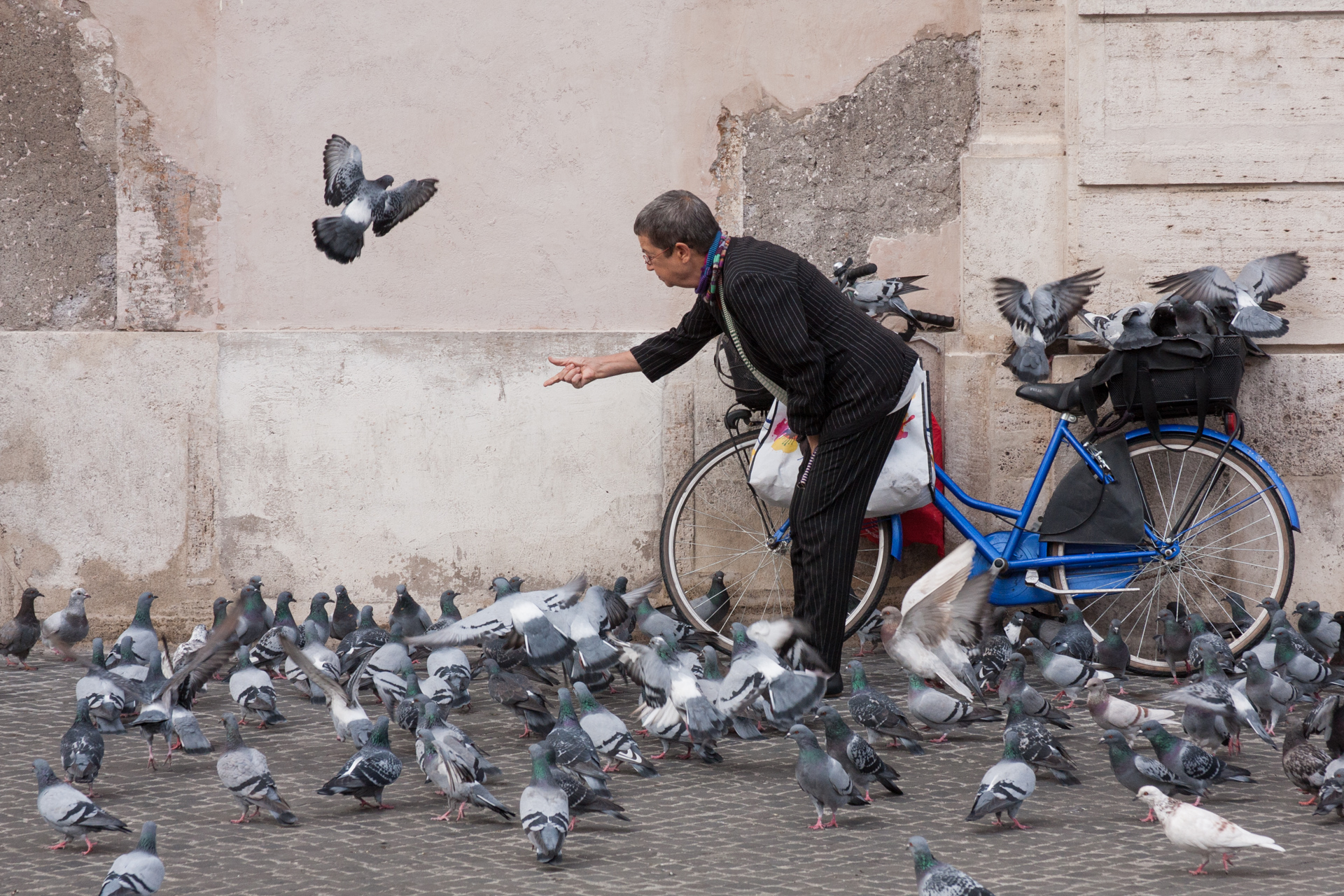
(A little reminder: when I say “every photo,” I mean our photos. The ones we’re making with intention and care. Not the countless random snaps posted to Twitbook every day. We’re aiming for pictures that stand out, that feel thoughtful, that have something to say.)
Your subject can be absolutely anything:
a crying child, a wilting flower, a bowl of vibrant fruit, a washing machine, a bird in flight, a couple who’ve just tied the knot. What matters is that when someone looks at the image, they instantly understand what it’s about.
But it’s not only about understanding. It’s also about feeling.
A good subject doesn’t just hold the viewer’s eye — it stirs something inside them. A sense of longing, joy, nostalgia, humour, peacefulness, tension, or surprise. These emotions don’t have to be dramatic; sometimes the most powerful feelings are the quietest ones. A child concentrating on a puzzle can be as compelling as a climber on a cliff face. Both invite the viewer into a tiny, authentic moment of human experience.
Think about how often you’ve been drawn to a photo not because of perfect technique, but because it made you feel something familiar. A photo of a worn pair of boots might remind you of your grandfather. A dog waiting by a door may bring back memories of your childhood pet. These emotional echoes often matter far more than technical precision.
And what about landscapes? They can seem like an exception — more about scenery than subject. But the best landscape photographs still give your eye a place to land. They guide you gently towards two or three meaningful elements: the curve of a hill, a lone tree catching the light, a winding path leading into the mist. These become the emotional gateway into the scene. Together, they help the viewer imagine not just what the place looks like, but what it feels like to stand there — the quiet, the vastness, the chill in the air, the sense of escape or solitude.
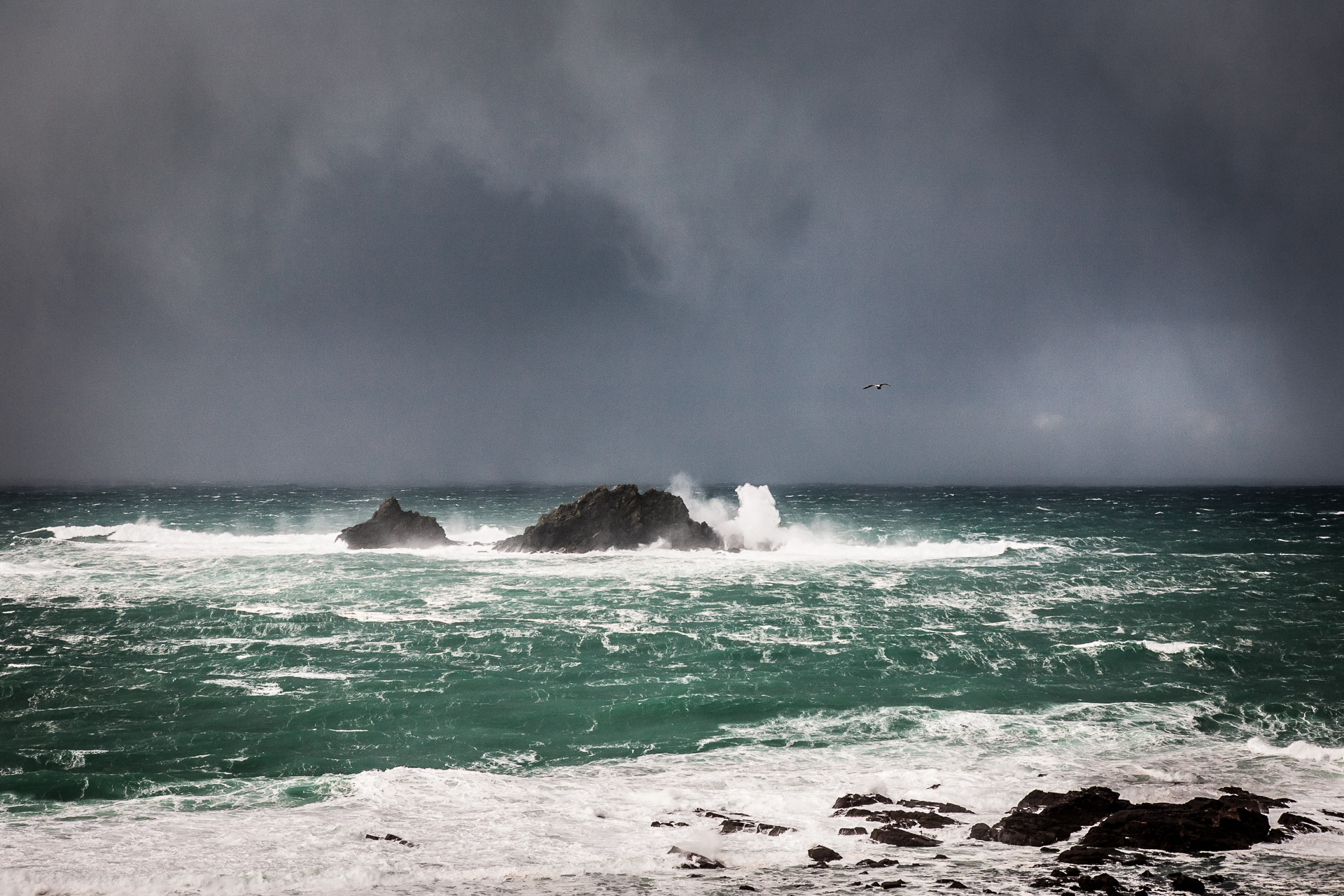
Photography is not just a visual medium; it’s an emotional one.
The subject is the spark.
The feeling is the flame.
Choose your subject with both in mind, and your photographs will always have something to say.