More About the Glass
More About the Glass – Focal Length
In the previous chapter, you took two photos at different focal lengths. Now let’s look at what those differences really mean, and how focal length affects the way your photos look.
What is focal length?
You don’t need a huge telephoto lens (like a 300mm monster) only for distant subjects — though that’s certainly one of its uses. Focal length affects much more than simply “how far away you can zoom”.
Focal length is not the physical length of the lens. The definition used by DPReview is:
“The focal length of a lens is the distance in mm from the optical centre of the lens to the focal point, which is located on the sensor or film when the subject (at infinity) is in focus.”
In short: focal length determines how much of the scene the lens captures, and how “zoomed in” it feels.
Categories of focal length
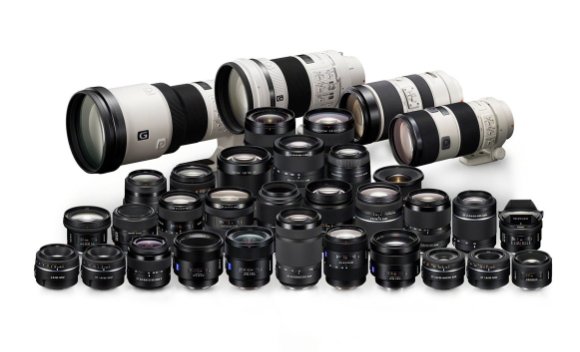
People love to categorise lenses, though the boundaries are fuzzy and different photographers use slightly different cut‑offs. A simple set of ranges is:
• Super‑wide: below about 18mm (including fisheyes)
• Wide: 18mm–35mm
• Normal: 35mm–85mm
• Telephoto: 85mm–300mm
• Super‑tele: above 300mm
Don’t worry too much about the exact numbers — this is just a helpful way to think about the general behaviour of lenses.
Field of view
One of the most noticeable characteristics of focal length is field of view — how much of the scene fits into the frame.
• A Wide lens shows a broad view, great for landscapes, interiors, and big scenes.
• A Super‑tele lens gives a very narrow slice of the scene — perfect for distant subjects.
• Normal lenses capture a perspective similar to how we see the world.
An example set of focal lengths
In the series below, the focal length changes from 18mm all the way to 300mm, looking out across Weymouth beachfront.
• 18mm: a wide, sweeping view — lots of sea, lots of sky, and relatively little detail.
• 300mm: a tight view where you can clearly see people on the beach.
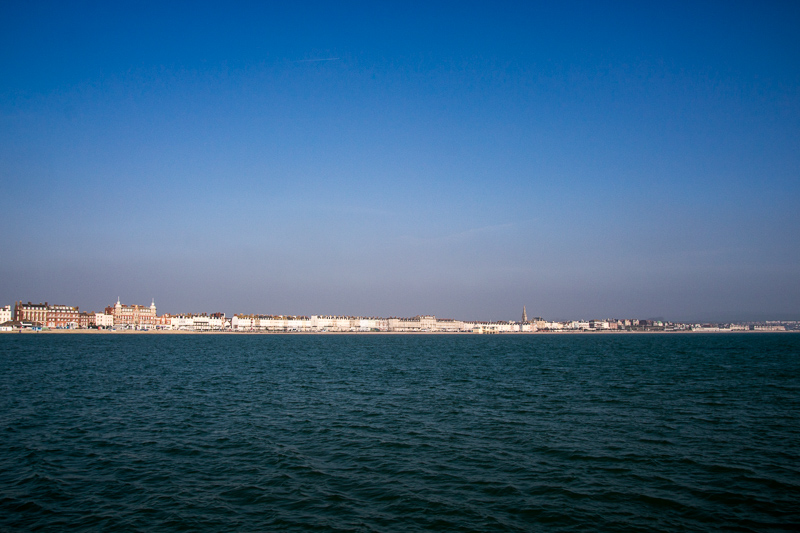
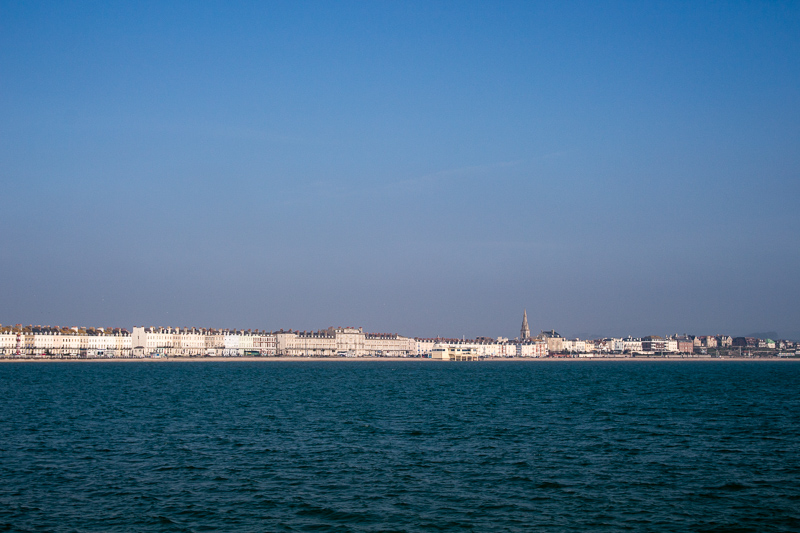
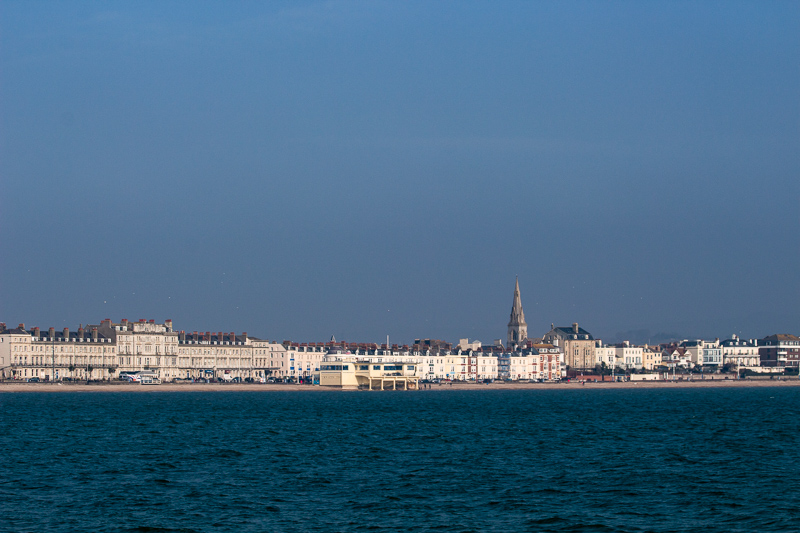
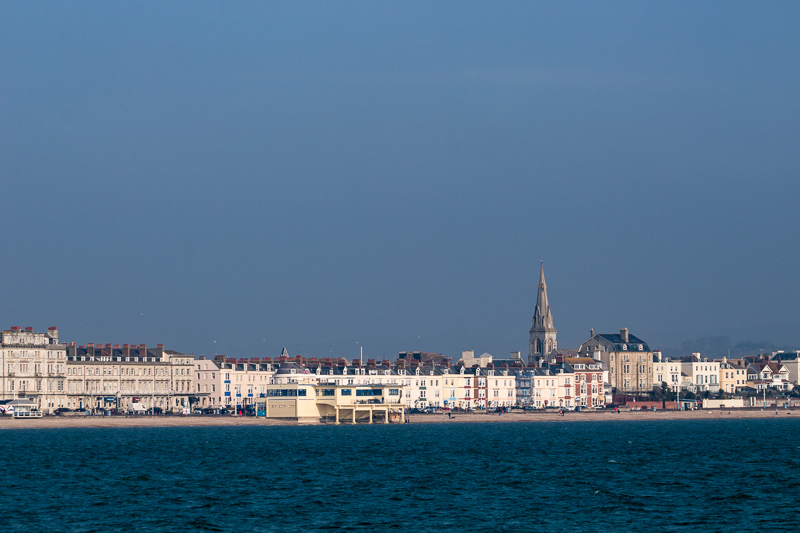
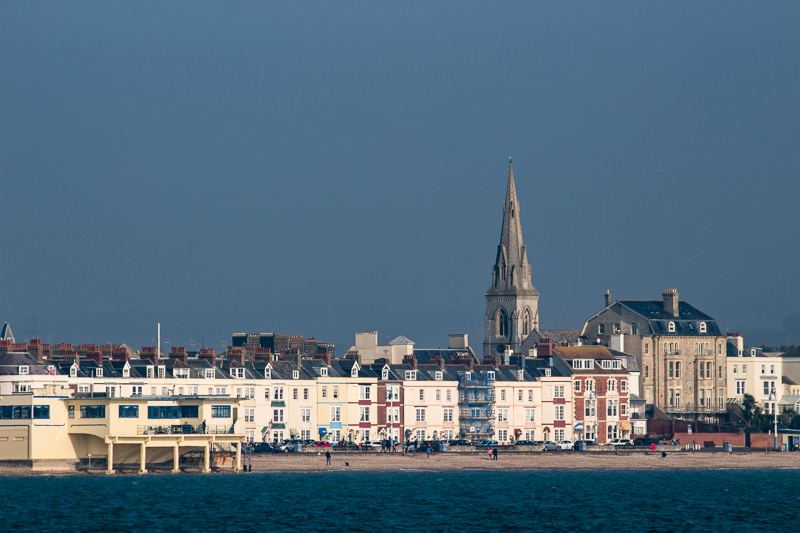
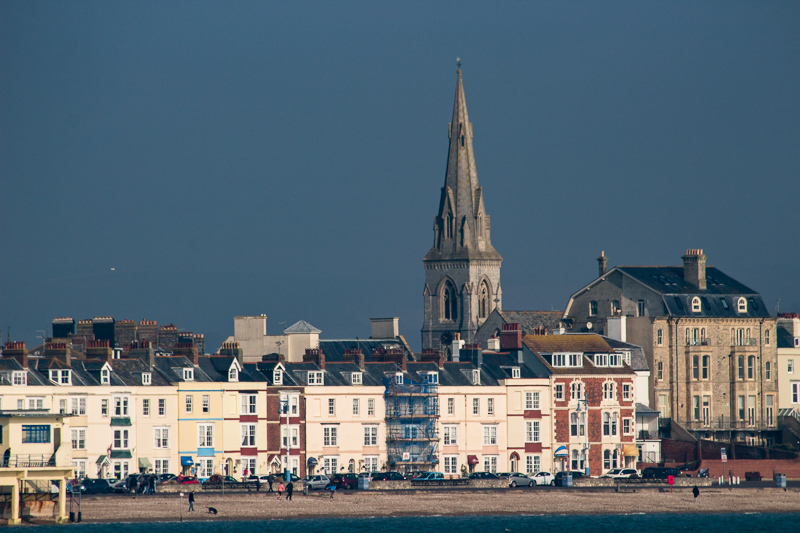
(For reference, the focal lengths shown are 18mm, 35mm, 70mm, 100mm, 200mm, and 300mm. The church steeple in the frame was about 1.2 km away.)
Why not just crop?
A common question:
“If a wide lens captures the whole scene, why not just crop in afterwards instead of using a telephoto lens?”
The answer: pixels.
At 18mm, the full sensor is collecting detail across a wide view. If you crop tightly into that image, you're only using a small portion of the pixels — resulting in a soft, blurry image.
A telephoto lens uses all the pixels on the sensor to capture only the part of the scene you want, giving you far more detail.
 The 18mm image cropped to about the same as 300mm.
Perspective and compression
You may also have noticed that wide‑angle lenses make background objects appear smaller and further away, while telephoto lenses make distant objects look closer to the subject. This effect is often referred to as compression.
Telephotos compress space, making background and foreground appear nearer to each other. Sports broadcasts use this constantly, which is why two players can look shoulder‑to‑shoulder when they might actually be ten or thirty metres apart.
Facial distortion (and how to avoid making people look odd!)
Here’s where it becomes practical.
If you want to make someone look unflattering, stand very close with a wide lens. Wide lenses accentuate anything near the lens: noses look bigger, faces stretch, and features can become comically distorted. Placing a person near the edge of a wide frame exaggerates this even more.
So, unless you’re going for a fun caricature, be cautious with wide lenses for portraits.
A much better option for people you like is a telephoto focal length:
• 85mm
• 100mm
• Even 200mm if you have the space
These focal lengths give a natural, flattering look — one reason many portrait lenses fall within this range.
Focal length is one of the most powerful tools you have for controlling the look and feel of your photos. Understanding how it affects field of view, perspective, and shape will give you far more creative freedom.